
My grandmother had what must have been Alzheimer’s disease, but no one ever called it that. When I visited her in the…
Are Microplastics Fueling the Increase in Cancer Among Under-50s?
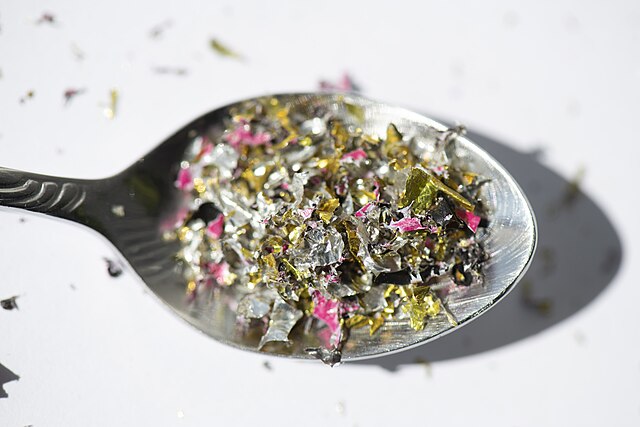 (Wikimedia commons European Commission, Lukasz Kobus, https://european-union.europa.eu/index_en)
Links between environmental exposures and increases in cancer rates take time to emerge. They range from community-wide disasters, like the 25-year dumping of carcinogens into the former Love Canal in Niagara Falls that caused kidney and bladder cancer, to associations that seem obvious in retrospect, like smoking and lung cancer, sun exposure and melanoma. My breast cancer might have arisen from in utero exposure to diethylstilbestrol (DES), a drug given to pregnant women in the 1950s to calm morning sickness.
The hallmark of an environmentally-triggered cancer is a sudden increase in incidence (rate of new cases over time) and prevalence (total cases at a specific time) of a particular type of cancer that parallels an increase in exposure to a specific chemical, or class of chemicals. A genetic change would take much longer to manifest.
A classic illustration of an environmentally-caused cancer is the increase in lung cancer in the 1950s that followed the pervasive cigarette smoking among the post-World-War-II generation. It was a time when cigarette ads dominated TV, airplanes stunk of stale smoke, and the habit was actually considered attractive. Many people, especially women, felt pressured to smoke to be accepted.
Candidates for Causing Cancer
More insidious than toxin dumps, unintentional drug exposures, or smoking as causes of cancer are microplastics. Evidence is accumulating that they are behind the alarming rise in certain cancers among the young, everywhere.
The American Cancer Society reports a recent increased incidence of 1 to 2 percent a year for people under age 50 of a dozen types of cancer, including colorectal, breast, prostate, uterus, stomach, and pancreas. The increase is greatest among people aged 20 to 29.
Genetic change at a population level doesn’t happen that quickly.
Cancer rates are on the rise among the young in all parts of the world, but not death rates, which suggests that early screening and detection lead to successful treatment. Wouldn’t it be better to head off the risks altogether? That means identifying the triggers.
What do young people diagnosed with cancer share that might explain their increased risk? Various investigators have identified possible culprits, based on trends, data, and logic. Potential causes include:
• obesity
• gut microbiome changes, such as an increase in prevalence of DNA-damaging bacteria and less overall microbial diversity
• changes in reproductive biology that extend the fertile period, such as earlier menstruation and later parenthood
• chronic inflammation, perhaps from eating too much meat and too few vegetables
Other explanations for increased cancer rates among the young that receive a lot of attention, but are harder to demonstrate definitively, include sedentary lifestyle, eating processed foods, and exposure to microplastics.
A Closer Look
Microplastics are bits of plastic that are one to five millimeters in diameter; nanoplastics are even smaller and can penetrate cells.
Commonly used microplastics include polyvinylchloride, polystyrene, and polypropylene, used in various garments, parts, and packaging. They’re baby bottles and the ubiquitous water bottles. Microplastics have poured into the environment since 2004, where they absorb and transport toxins.
Microplastics persist. They also bioaccumulate, building up in a human body over time. They’ve been found in tumors from many body parts.
The tiny plastic particles that pervade the environment are far from inert bystanders. In a body, microplastics stimulate inflammation and oxidative stress while altering lipid metabolism and changing the tumor microenvironment.
Experiments show that microplastic exposure activates four major oncogene signaling pathways. Farther along the road to cancer, the tiny particles stimulate tumor formation, growth, invasion, metastasis, and even, eventually, drug resistance. They also activate receptors for the hormone estrogen, even at very low concentrations. And that stimulates cell division, an action called endocrine disruption.
In these myriad ways, microplastics cause cancer where they end up – from the microscopic air sacs in the lungs to linings of the breast or prostate, to the mucus layer of the colon. They leach insidiously into the bodies of folks who tote water bottles everywhere, thinking hydration is beneficial.
We can’t get away from plastics in our environment. It’s too late for prevention, even if one eats nothing but kale, so early detection seems the way to go.
Lowering Cancer Risk
Because of the alarming hike in cancer rates among the young, researchers are evaluating the risks and benefits of lowering the ages at which more invasive screening methods, such as colonoscopy and mammography, are justified. These measures can detect asymptomatic cases that would otherwise be missed until later, less treatable stages.
Meanwhile, young people can lower their cancer risk by taking screening tests and paying attention to symptoms.
For colorectal cancer, for example, screening tests are performed on stool, and symptoms to be aware of include rectal bleeding, diarrhea, and iron deficiency anemia. Genetic testing can rule out rare mutations as direct causes, such as the several genes that cause Lynch syndrome.
Women can regularly do breast self-exams and have mammograms and Pap smears. Men can take prostate specific antigen (PSA) tests to detect elevated risk of prostate cancer.
Unfortunately, avoiding exposure to microplastics isn’t an option, as it might be for well-studied carcinogens such as the chemicals used in dry cleaning and those in cigarette smoke. They’re everywhere, in our food, clothing, cosmetics, cleaners, even snow and salt. Microplastics reside in road signs, dust, in and on microbes, on planes trains and automobiles, in toothpaste, on tires, and of course in our ever-present cell phones and plastic bottles.
Because we can’t change our dependence on plastics, it’s wise to take any preventive measures possible.
(Thank you to my daughter Carly for informing me of the danger of microplastics.)